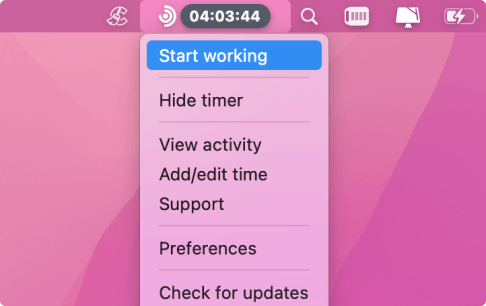
Time tracking makes data-driven task management, performance evaluation, work recognition, and team health assessment a core part of team culture. When implemented correctly, the practice can strengthen any team’s dynamic. But making time tracking look like surveillance or micromanagement, especially through miscommunication, can poison the workplace with distrust and psychological distress.
Quick Summary
- Time tracking provides data to measure productivity, promote fairness and transparency, change how workplaces calculate pay, and help manage workload balance.
- The practice is one miscommunication or wrong implementation away from damaging team culture, because employees can easily see it as monitoring or micromanagement.
- Using the wrong type of tracker, not carrying workers along, or saying the wrong things about the practice can make employees think they are being monitored, remove the sense of autonomy, and kill open communication due to the loss of trust.
- Traqq positions itself as an easy-to-introduce and privacy-first time tracker because it focuses on measuring work hours and productivity without collecting sensitive information like screenshots or input data.
What Changes When Work Becomes Measurable?
When work becomes measurable, teams can see how much time goes into specific activities, identify interruptions and distractions that suck up valuable time, recognize individual and team efforts, and quantify performance.
Introducing time tracking to any workplace signals the employer’s shift to this data-based type of management. But the employer’s true intentions, as employees will see them, depend on the type of tracker they introduce, how they communicate the new time-tracking practice, and the policies they set up for enforcement.
For example, the team’s culture will adapt to using time data for work processes if employees embrace the practice. However, employees may begin to resist the time-tracking measure or change their behavior if they believe it is being deployed to monitor or micromanage them.
What Are the Core Cultural Effects of Time Tracking?
Time tracking makes people aware of how they look, what they do, what they say, and whether they are giving data away. But how employers introduce and implement the policy shapes how these reactions will affect team culture.
The following are the major influences of time tracking on team culture:
Trust
Exposure to media reports, such as CBS’s 2024 publication about Bossware, which highlight intrusive corporate and government surveillance, has conditioned workers to believe that anything related to tracking is out to monitor them and collect private information.
This fear of intrusion settles only when employers are vague about their time-tracking policies or use time trackers that collect sensitive data, such as screenshots and keyboard input.
Opening up to workers about the specific time tracker under consideration, the kind of data it collects, and how the policy will be implemented, especially before rollout, can ease the tension and maintain workplace trust.
Autonomy
Time tracking can encroach into micromanagement territory if employers only recognize work captured by their time-tracking applications. It erases a core aspect of existing team cultures that allows employees to use work processes that make them more productive.
Also, enforcing less flexible work windows can strip workers, especially remote team members, of the freedom they once enjoyed.
Transparency and fairness
Shared time data removes the need for performative work behaviors because employers will no longer recognize efforts based on who chose to stay late. Finishing a job faster within accepted quality levels showcases a worker’s competence in specific roles, and activity levels can confirm one’s dedication.
That means the data will support a culture of assigning work to the best talent alongside recognizing the strongest performers.
Time-tracking data also allows managers to balance workloads more fairly, since it helps identify overworked and underutilized employees.
Accountability
When work hours are defined, time tracking removes any doubt about an employee’s compliance. That means managers won’t have to doubt whether workers complete their hours on days that seem to run too fast.
Time tracking also erases the intrusive check-in culture because managers can now view real-time work progress and know when workers are active without sending distracting Slack messages or emails.
Psychological impact
Worrying about which data a time tracker may collect, especially when it takes screenshots and monitors location, stresses workers out. According to the American Psychological Association, 56% of workers who feel they are being monitored report experiencing tension and stress at work.
As mentioned, employers can spare workers this type of mental distress by being candid about how their time tracking practice will work.
How Does Implementation Determine the Outcome?
Clearly communicating the intentions behind time tracking, collecting employee feedback before implementation, and showing workers the kind of data the tracker will collect and provide can remove suspicion about monitoring and spying. That means time tracking will have the best chance of enriching team culture since employees will embrace the practice.
But going about it the wrong way, such as introducing a time tracker without clear communication or advanced notice, can cause significant friction and resistance.
Where Time Tracking Makes Culture Worse
Time tracking creates a culture of guarded behavior, performative productivity, and low trust when employers use it, or employees see it, as a vehicle for surveillance, micromanagement, or fault-finding.
Fearing that the time tracker will monitor them, especially when it takes screenshots, employees will begin to prioritize censoring what appears on their work screen, what they say, and who they talk to over focusing on work.
And since time trackers cannot capture off-screen work processes like taking physical notes, workers will turn to time-wasting theatrics to game the system and appear busy.
How Traqq Handles This
Traqq’s privacy-first and transparency model makes accepting time tracking easier, since it clears the concern about monitoring. It does not take screenshots or record input (keyboard and mouse) data. Employees and managers also have access to the same time tracking data, although managers have advanced controls, such as limiting work hours, manually adding or subtracting time, and approving time off.
The manual time addition ensures managers can add off-screen work activity so employees are not chained to their computers all the time.
The tool uses activity-based tracking to calculate total work hours, measure how long workers spend on websites and applications, determine active and idle hours, and display work session timelines.
Conclusion
Time tracking can degrade or breathe new life into team culture, depending on whether employees see it as a way to monitor them or transparently measure work activity. Workers will embrace any policy that improves work conditions as long as it is well-explained and has no hint of a hidden agenda. But poorly communicating the objectives of the time tracking policy, using tools that may record sensitive data, or relying on high-handed enforcement makes time tracking toxic to workplace culture.